The Benefits of Using Tallow in Soap Making
What is Tallow?
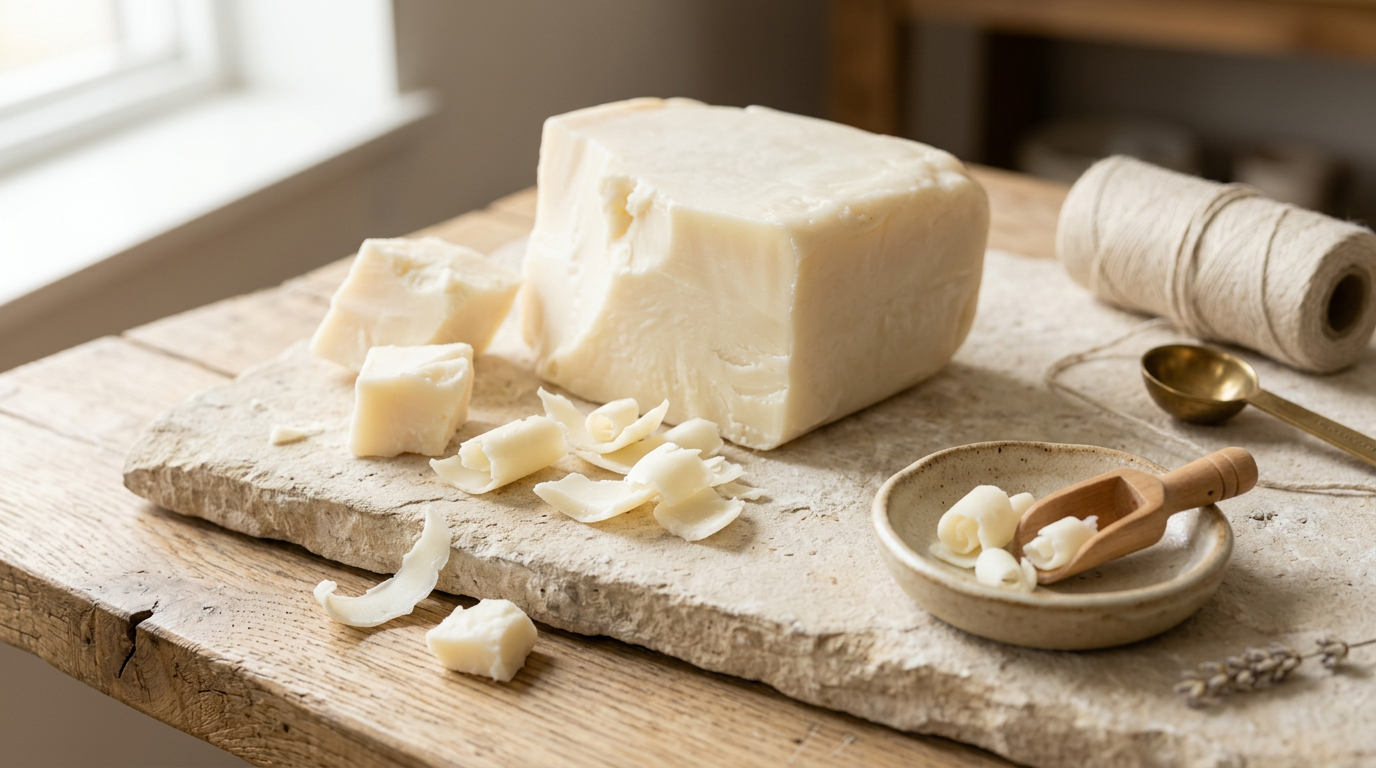
Tallow is a rendered form of beef or mutton fat that has been used for centuries across various cultures for multiple purposes, with one of its most notable applications being in soap making. Derived from the fatty tissues of livestock, tallow is primarily composed of triglycerides, which are esters derived from glycerol and three fatty acids. The rendering process involves slowly melting and filtering the fat to produce a stable and versatile product suitable for numerous applications, including cooking and skin care.
Historically, tallow served not only as an essential cooking fat but also played a crucial role in the production of candles and soaps. In traditional soap-making practices, tallow was rhymed with lye to create a solid, emulsified product that provides an excellent cleansing ability and skin conditioning properties. The use of tallow in soap can be traced back to ancient civilizations, where it was valued for its emollient qualities and ability to produce a hard, long-lasting bar of soap.
One of the most appealing aspects of tallow is that it is a natural and renewable resource. The rendering of animal fat provides a sustainable means of utilizing livestock by-products, which contributes to a zero-waste approach in various production cycles. This practice resonates with modern consumers who are increasingly seeking eco-friendly and ethical sources for their skincare products. Moreover, tallow is rich in beneficial lipids and vitamins, including Vitamin A, D, E, and K, which are essential for skin health.
In summary, tallow is more than just a leftover by-product; it is a vital ingredient with a rich history in soap making, revered for both its functionality and sustainable properties. Its origins and enduring significance in traditional practices make it a valuable component in the realm of natural products today.
Why Use Tallow in Soap Making?
Tallow, a rendered form of beef or mutton fat, has been a staple ingredient in traditional soap making for centuries. One of the primary benefits of tallow is its exceptional moisturizing properties. When incorporated into soap formulations, tallow helps to create a product that is rich in fatty acids, essential for maintaining skin hydration. Unlike some synthetic moisturizing agents, tallow is a natural component that supports the skin’s barrier function, leaving it feeling soft and nourished.
In addition to its moisturizing benefits, tallow contributes to the creation of a hard bar of soap. This characteristic is highly favored by soap makers, as a hard bar tends to last longer when used, providing better value for consumers. The fatty composition of tallow allows for the production of a soap that lathers well while also achieving a solid consistency, making it practical for both personal and commercial use.
Tallow is also known for its gentle cleansing effects, making it suitable for a variety of skin types, including sensitive skin. Unlike soaps that contain harsh synthetic ingredients, tallow soap cleanses without stripping the skin of its natural oils, thus preventing dryness or irritation. This gentle approach to cleansing is particularly beneficial for individuals prone to skin conditions such as eczema or psoriasis.
Moreover, the sourcing of tallow can be aligned with sustainable and ethical practices. When obtained from grass-fed and pasture-raised animals, tallow is not only an environmentally friendly choice but also supports local farming. By integrating tallow into soap making, artisans demonstrate a commitment to sustainability while utilizing a by-product of the meat industry that might otherwise go to waste. Overall, the benefits of tallow—its moisturizing capabilities, durability, gentle cleansing properties, and sustainable sourcing—make it a valuable ingredient in contemporary soap making.
How to Incorporate Tallow into Your Soap Recipes
Incorporating tallow into your soap recipes can be a rewarding process that allows for the creation of nourishing, moisturizing bars of soap. The first step in using tallow is to render it at home. Rendering is a method used to purify fat and remove impurities. To start, acquire high-quality beef suet, which can often be found at local butcher shops. Cut the suet into small pieces, then place it in a slow cooker or large pot over low heat. This gentle heat will melt the fats, allowing you to strain out any solid bits. After a few hours, you will have liquid tallow ready for use.
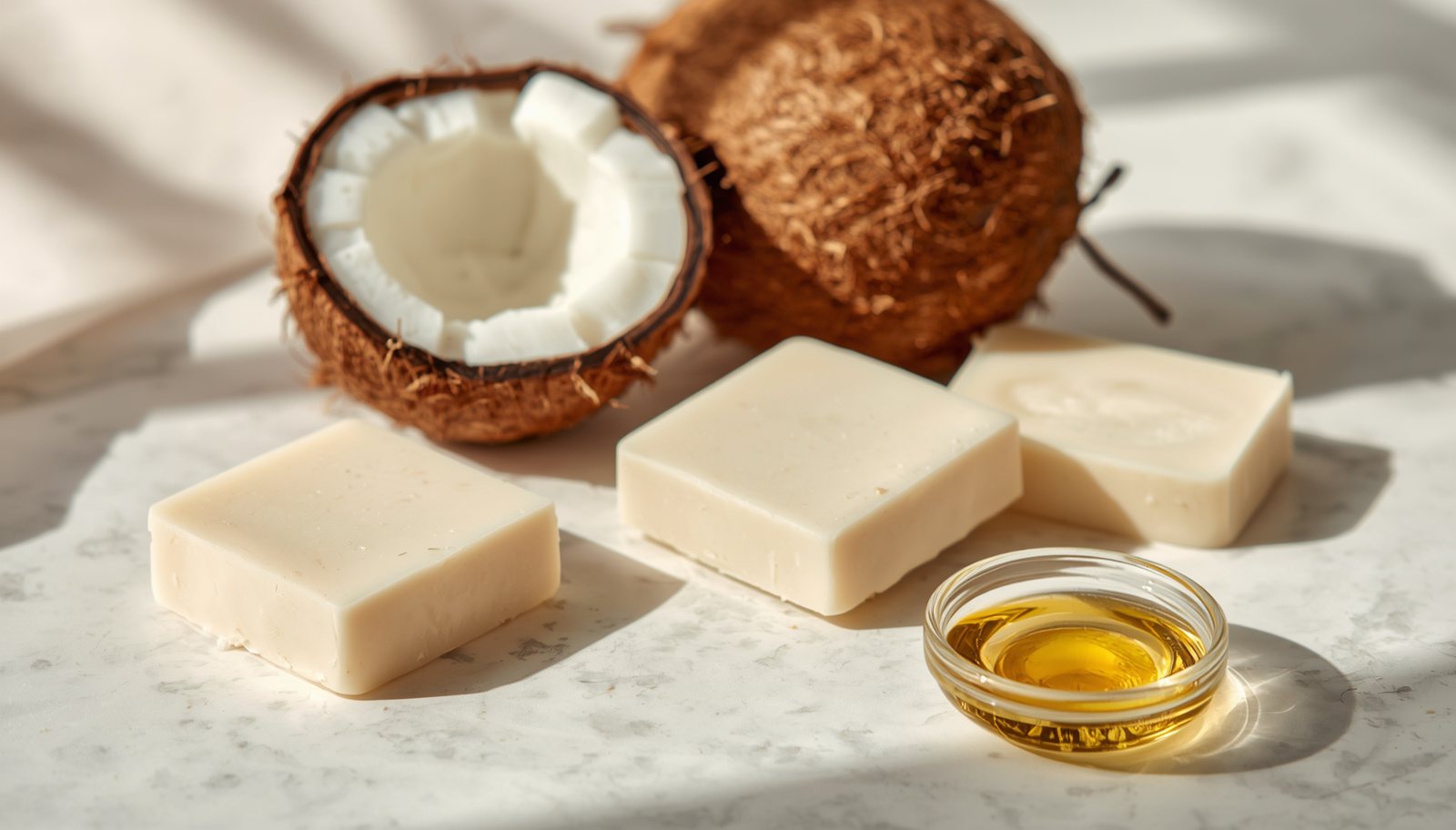
Once you have rendered your tallow, it is crucial to measure it appropriately. A common soap-making ratio includes using tallow as part of your total oils, often in combination with other oils such as coconut, olive, or palm oil. Typically, you can replace around 20-30% of the total oil weight with tallow. Accurate measurement can be done using a kitchen scale to ensure balanced formulations.
Mixing tallow with other oils is an essential part of the soap-making process. It is advisable to melt the tallow before adding it to your lye solution to ensure a homogeneous blend. When you mix your oils, remember to account for the saponification value of tallow, which is slightly different from other oils. Consult a soap-making calculator to adjust your recipe accordingly.
Safety is paramount in soap making, particularly when working with lye. Always wear protective gear such as gloves and goggles, work in a well-ventilated area, and use heat-resistant containers. Following safety protocols will help you create a safe and enjoyable soap-making experience.
For beginners, a simple recipe to start might include 30% tallow, 30% coconut oil, and 40% olive oil, using the necessary amount of lye as calculated. By following these steps, you can successfully incorporate tallow into your soap recipes, resulting in high-quality, artisanal bars.
Tallow Soap: Frequently Asked Questions
When it comes to soap making, tallow is often surrounded by various questions and misconceptions. One primary concern is the sustainability of using animal fats in soap production. Tallow, derived from beef or sheep, can be considered a sustainable ingredient when sourced ethically from farms that prioritize animal welfare. By utilizing by-products of the meat industry, soap makers can minimize waste, creating a more environmentally friendly option compared to some plant-based oils that require extensive land and water resources for cultivation.
Another common inquiry pertains to allergies associated with tallow soap. Generally, tallow is well-tolerated by many skin types and is less likely to cause allergic reactions compared to certain plant oils. It is essential, however, for individuals with specific allergies or dietary restrictions to examine the source and composition of the tallow used. As with any ingredient, a patch test on a small skin area is advisable before full application.
Comparing tallow to other oils commonly used in soap making can also provoke debate. Tallow boasts a unique fatty acid profile that contributes to a stable lather and long-lasting bar of soap. Unlike many vegetable oils, tallow does not require additives to achieve hardness, providing a natural solidity that is especially beneficial in bar soaps. Additionally, it possesses excellent moisturizing properties, making it a valuable option for those with dry skin. While each oil brings its unique benefits and challenges, tallow stands out for its ability to produce a hard, cleansing, and nourishing soap that benefits users.
In conclusion, understanding the fundamentals surrounding tallow soap can help demystify its usage and highlight its advantages. As more soap makers explore the benefits of this time-honored ingredient, they can appreciate tallow’s potential for creating quality soaps that align with both sustainability and skin care objectives.