The Secret to Luxurious Soap: Shea Butter
Introduction to Shea Butter
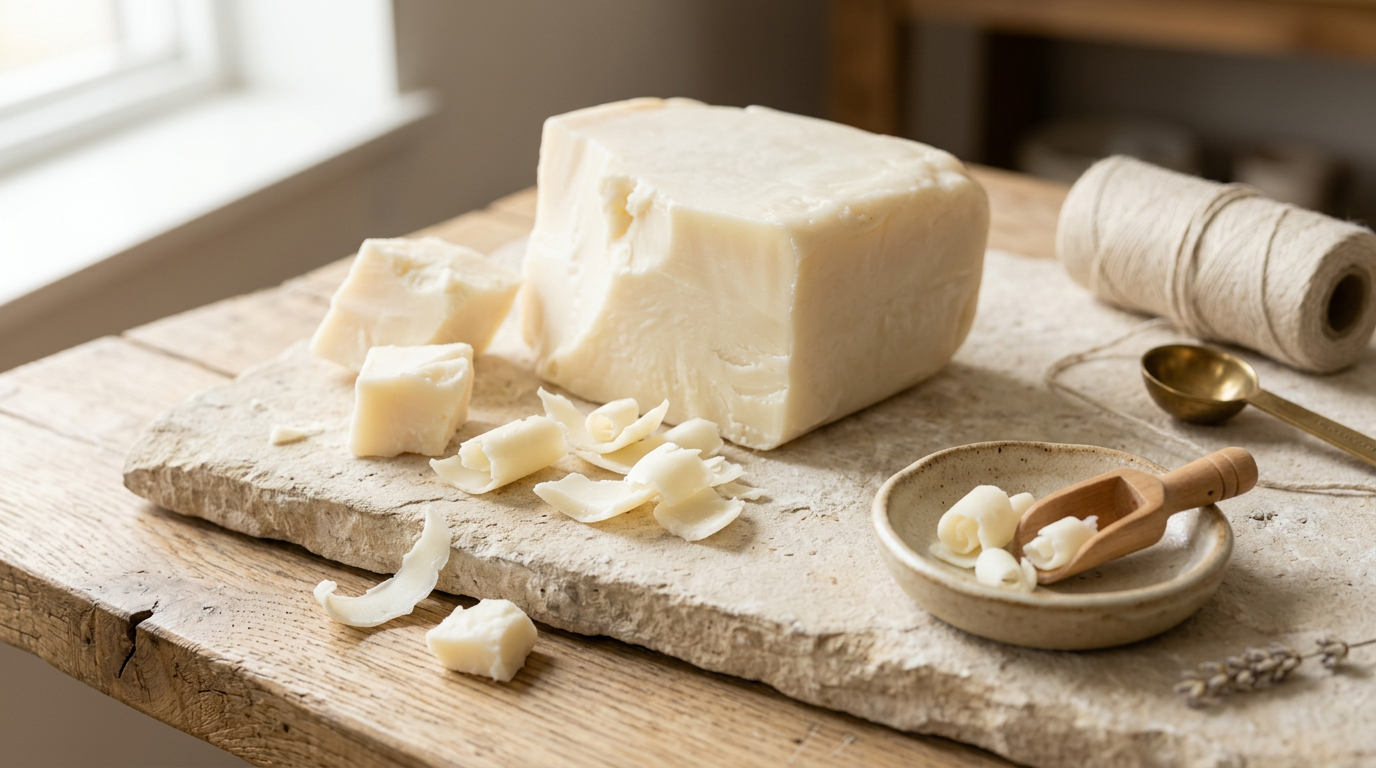
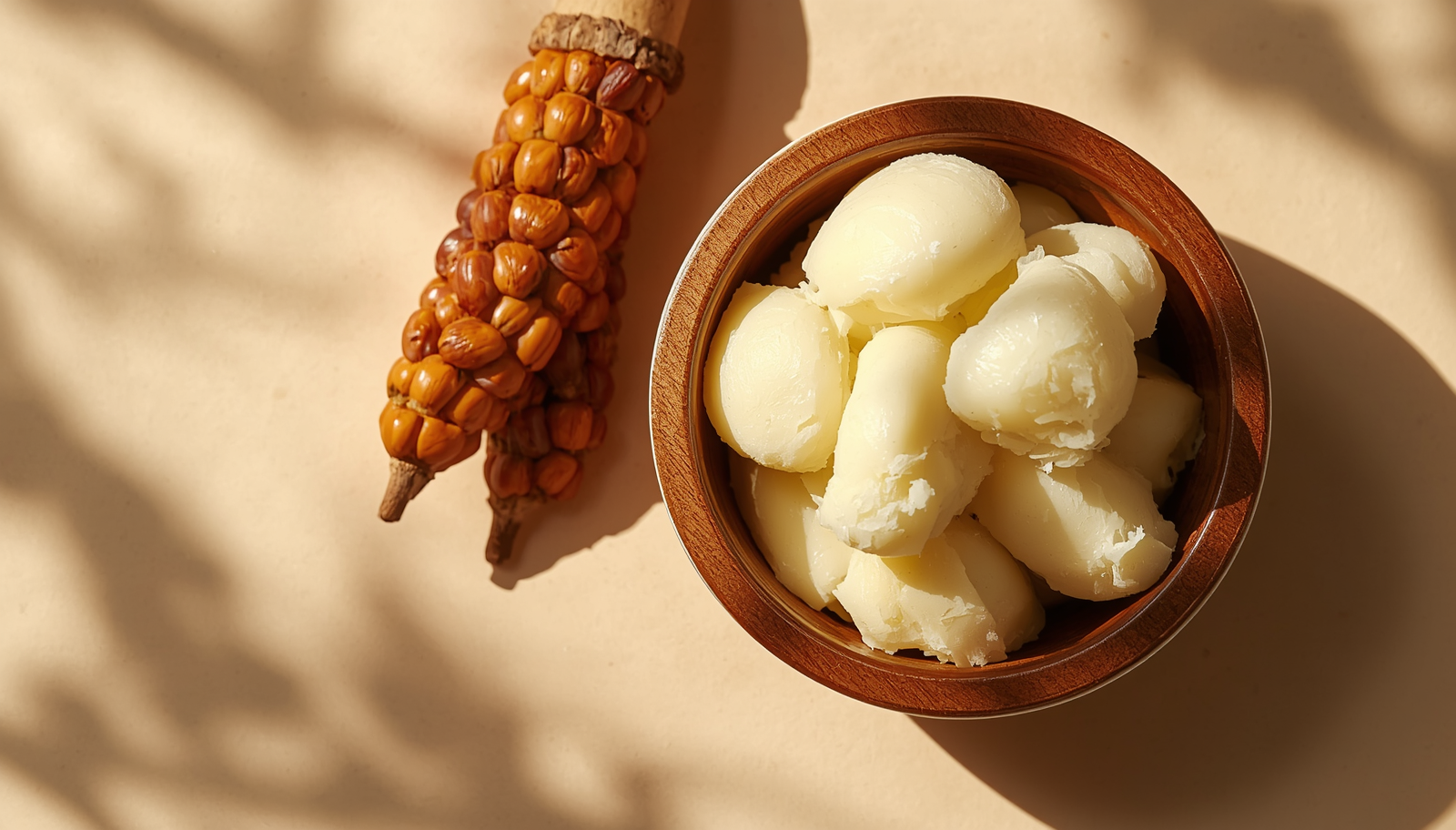
Shea butter, derived from the nuts of the shea tree, is a popular ingredient in cosmetics and personal care products. Its versatility and nourishing properties make it an excellent choice for soap making. For centuries, it has been used for its moisturizing benefits and skin healing abilities.
Benefits of Shea Butter in Soap
One of the primary benefits of incorporating shea butter into soap is its moisturizing capability. This natural ingredient helps to hydrate the skin, leaving it soft and smooth. Additionally, shea butter contains vitamins A, E, and F, which are essential for maintaining healthy skin. These vitamins promote cell regeneration and provide a protective barrier against environmental stressors.
Moreover, shea butter is known for its anti-inflammatory properties. This makes it beneficial for individuals with sensitive skin or those suffering from skin conditions such as eczema or psoriasis. Using shea butter soap can help alleviate irritation and soothe the skin.
How to Use Shea Butter in Soap Making
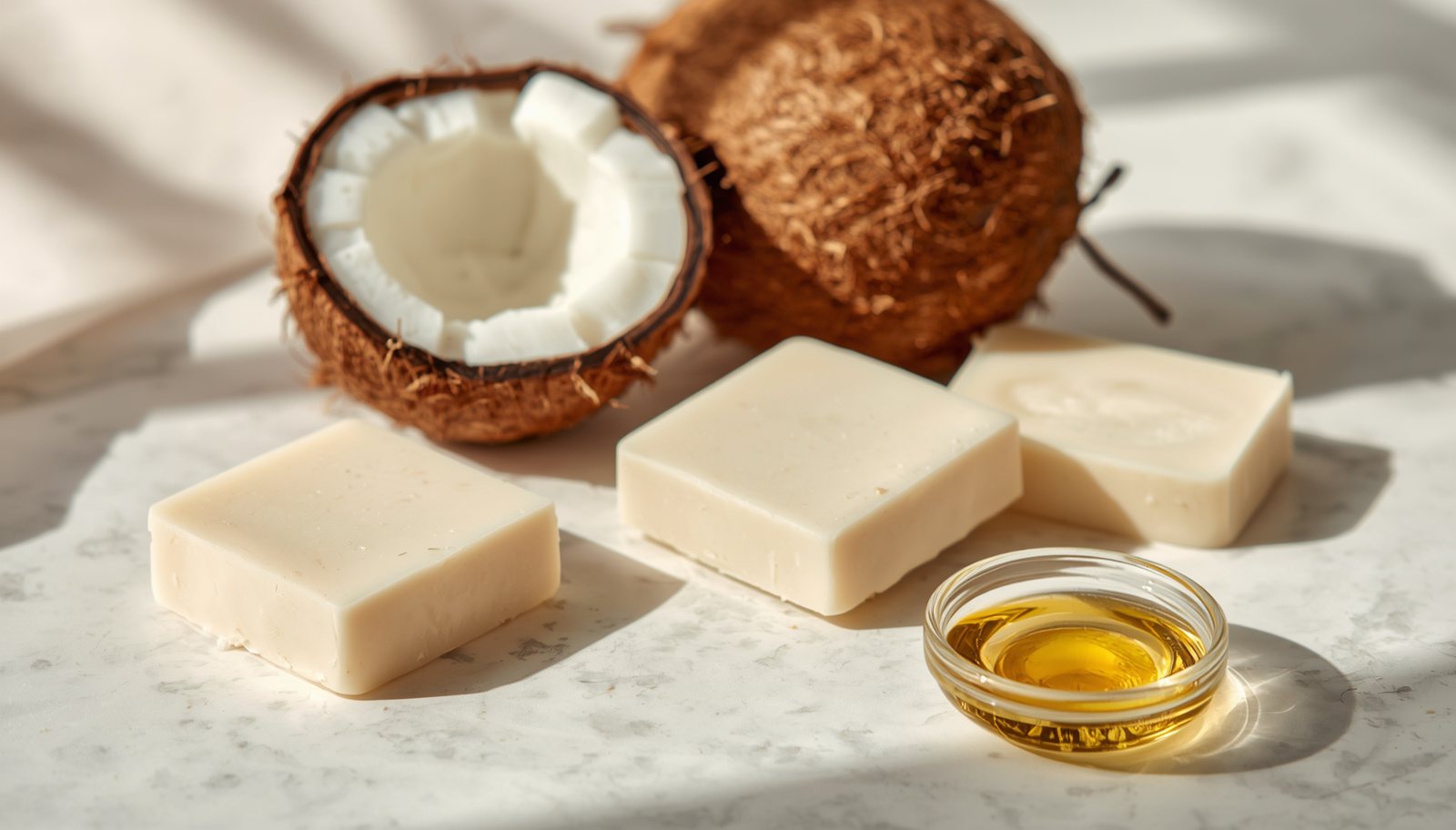
When making soap, shea butter is often used in combination with other oils to enhance its properties. A typical soap recipe might include coconut oil, olive oil, and shea butter in equal percentages. The process involves melting the oils, adding lye, and allowing the mixture to saponify. The result is a natural soap bar that is gentle on the skin and packed with benefits.
In conclusion, shea butter not only improves the texture and quality of soap but also offers numerous skin benefits. From hydration to healing properties, it is an invaluable ingredient for any soap maker looking to create wholesome and effective products.